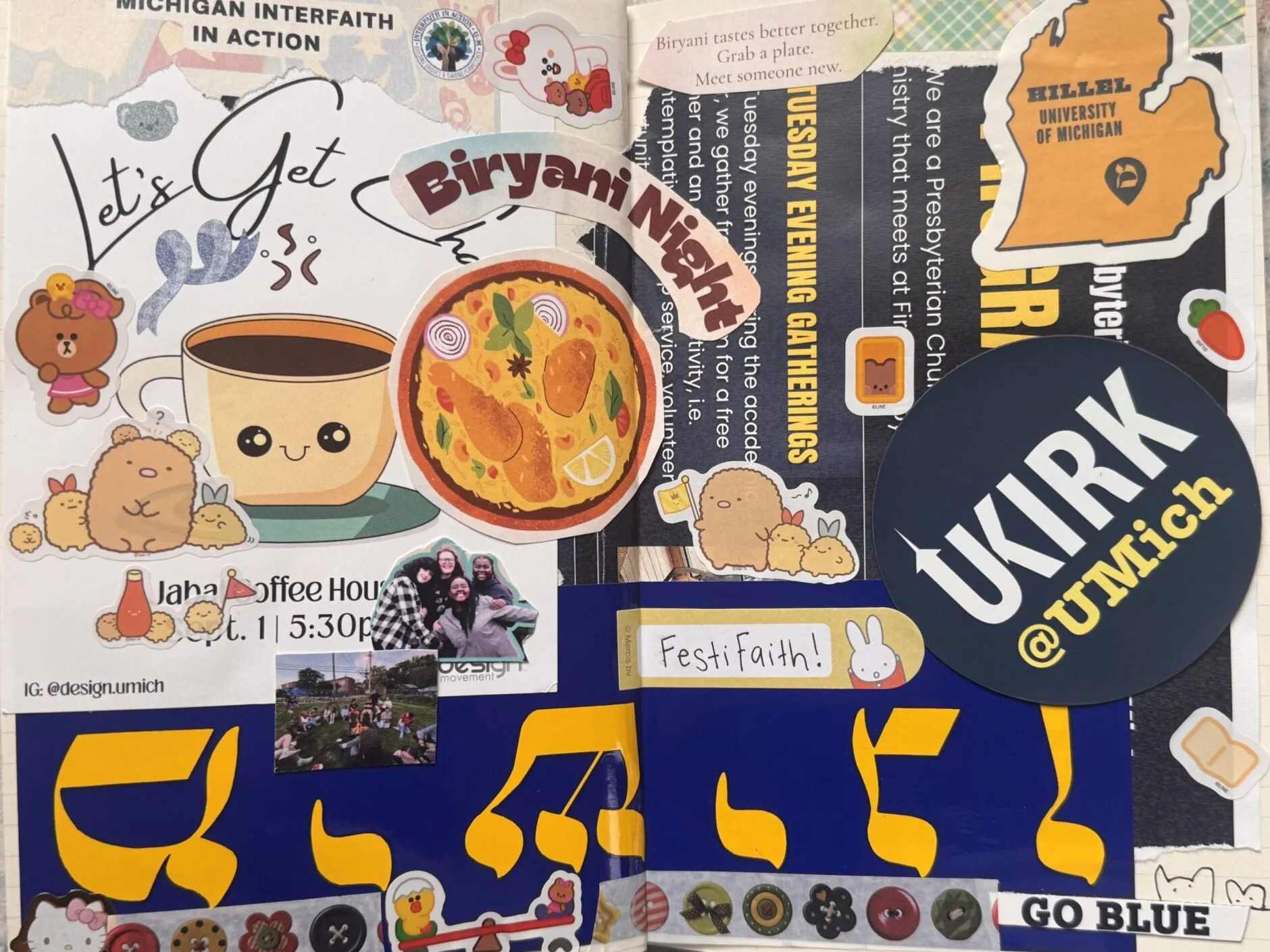
I never grew up particularly religious.
When I was in high school, my parents realized I had never received my Catholic communion. My older siblings had, but as the youngest child, I had been forgotten. I was enrolled in one-on-one lessons with a nun to catch up.
That somewhat unconventional relationship with religion was on my mind as I found myself at Festifaith this year, interviewing students about their experiences with religious, spiritual, and secular communities on campus.
Again and again, I heard students talk about wanting to find a community that felt supportive and reliable.
“I remember going on my first Sunday as a freshman. I was really lost and didn’t know anybody, but I remember walking in and immediately feeling welcomed. I never really felt that before at a church, so it really drew me in,” said Tiffany, a senior in the School of Nursing, when asked about her experience at church.
Regardless of your beliefs, finding that kind of community in college can feel daunting, especially when you don’t know where to start. Festifaith offered a comfortable, inviting space to meet students involved in organizations across campus that are specifically meant to help them explore meaning and belonging.
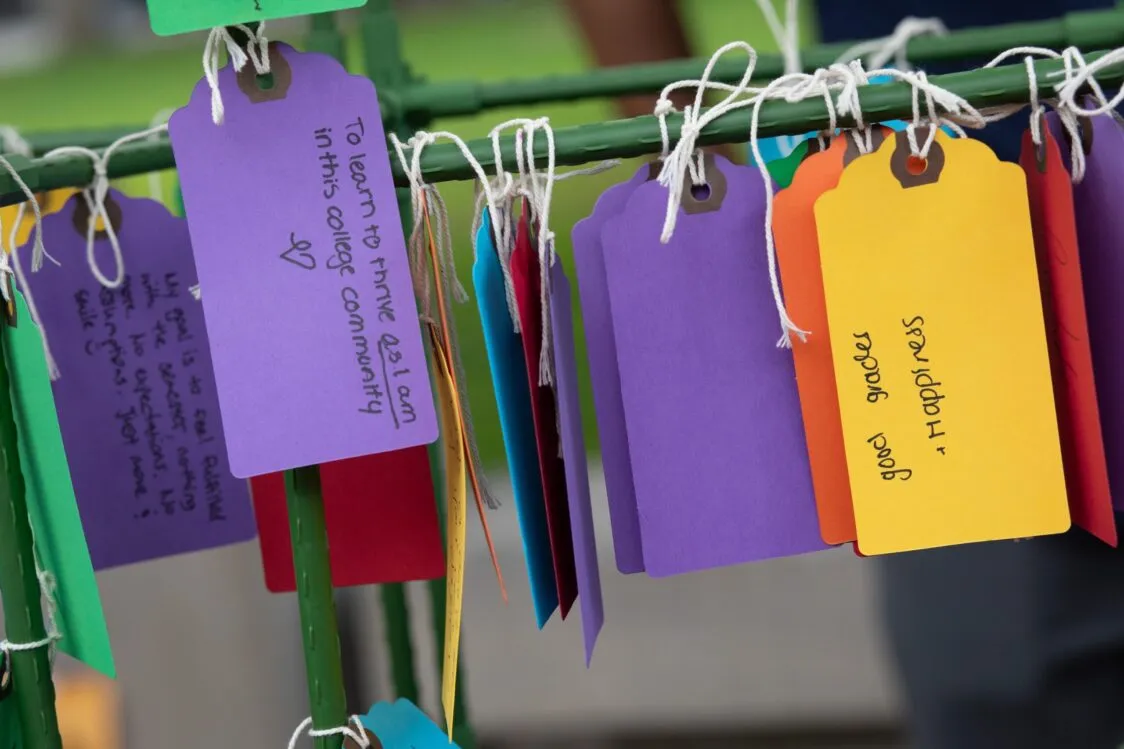
Another student reminded me, “College is a time to explore, no matter what’s transpired in your life before.”
He encouraged students to keep an open mind and explore the communities and beliefs that speak to them.
Last semester, I visited a friend’s services at U-M Hillel and could immediately see the sense of community that spaces like these can create.
Students reflected on how grateful they were to have found people who supported them and how different their college experiences might have been had they never taken that first step to get involved.
Although I don’t consider myself particularly religious, I do have faith in the idea that everything will work out—that, in some way, what is meant to be will be, especially when you push yourself to explore what calls to you.
Whether you’re looking to explore your own beliefs or learn about the traditions of others, Festifaith is a great place to start. If you couldn’t make it this year, reach out to Religious, Secular, and Spiritual Life for ways to get involved throughout the year.
To be continued in scraps and stickers,
Natalie